What Is Digital Play Therapy — And How Does It Help Young People?
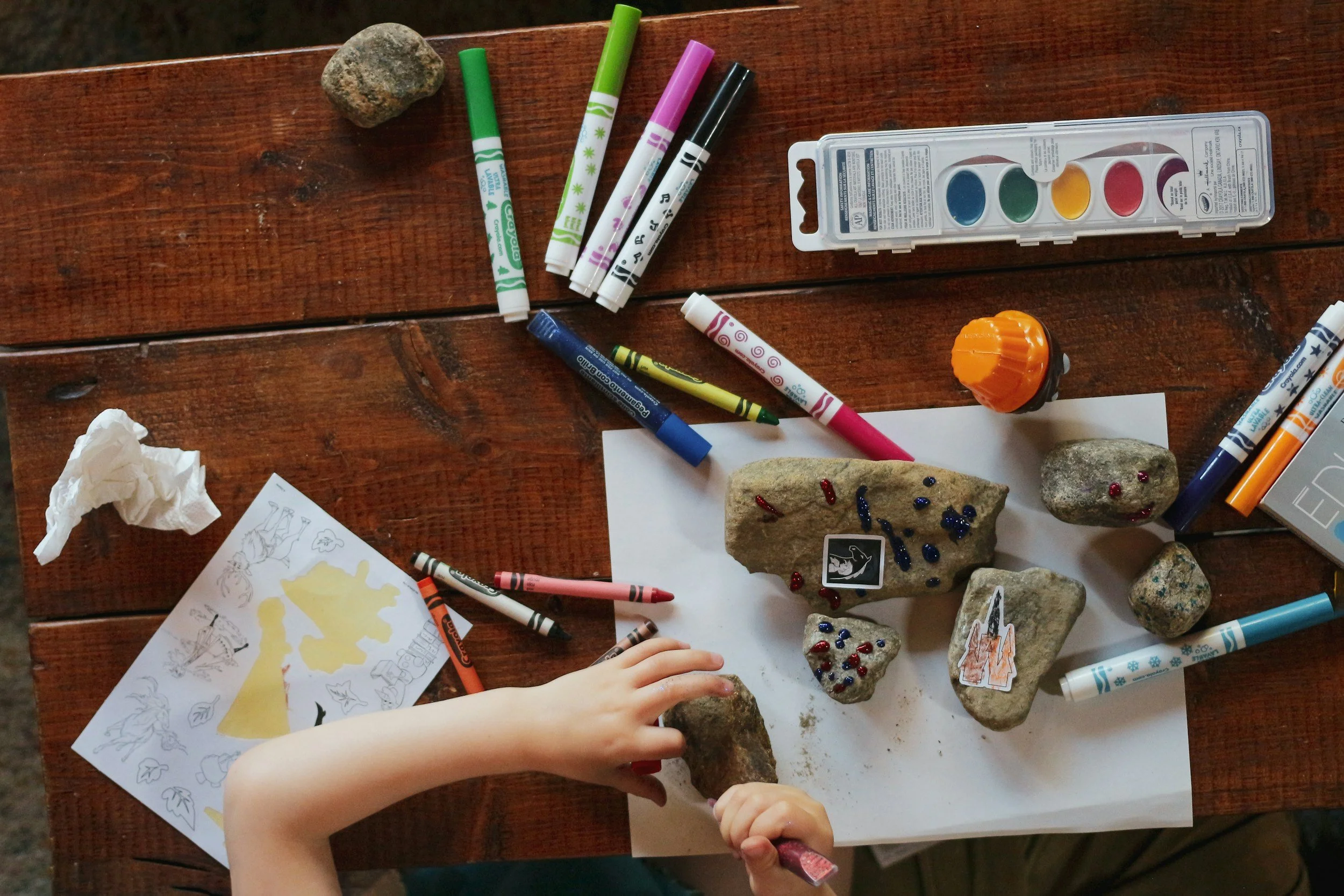
When most people think of therapy, they picture sitting in a chair and talking. But for children and teens, healing often happens through play.
Play is a child’s natural language. It’s how they process emotions, practice problem-solving, and make sense of their world. In a telehealth setting, that play can take a digital form — and when used intentionally and ethically, it can be just as powerful as in-person play therapy.
Digital play therapy integrates therapeutic principles with interactive online tools. This might include collaborative digital sand trays, drawing platforms, storytelling games, emotion-mapping activities, or even elements of a child’s favorite creative game. The key is not the tool itself — it’s how the tool is used.
In my practice, digital play therapy is grounded in evidence-based approaches such as CBT, emotion regulation skills, and trauma-informed care. Play becomes the bridge. Instead of asking a child to “explain what you’re feeling,” we might build it, draw it, or act it out together. Through play, themes naturally emerge — family dynamics, peer stress, fears of failure, identity questions — and we work with them in a way that feels safe and engaging.
For teens, digital spaces often feel more natural than traditional talk therapy. Interactive tools can lower defensiveness, increase participation, and allow for emotional expression without feeling interrogated. Many young people are already fluent in digital environments — therapy meets them there.
Digital play therapy can help young people:
Identify and regulate emotions
Practice coping skills in real time
Build confidence and problem-solving abilities
Process family transitions or school stress
Strengthen communication skills
My approach is collaborative and strengths-based. I don’t use digital tools as distractions — I use them intentionally to deepen insight, build skills, and create connection. The goal is always the same: helping young people feel understood, capable, and more in control of their emotional world. Play is where growth happens.
If you’re curious whether digital play therapy might be a good fit for your child or teen, I’d be happy to talk more.